


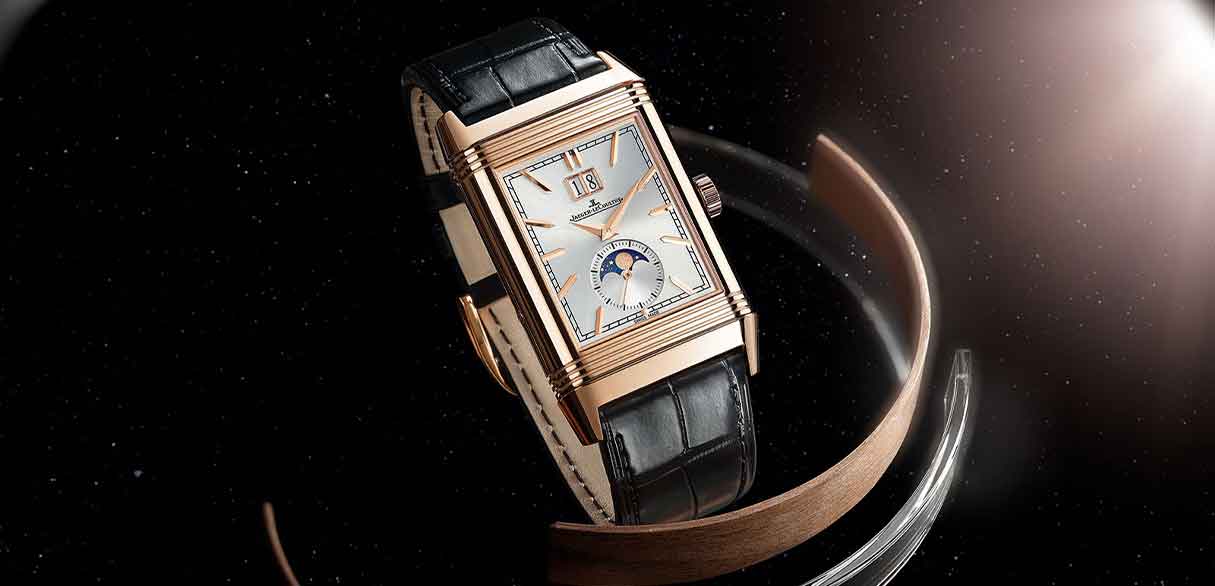
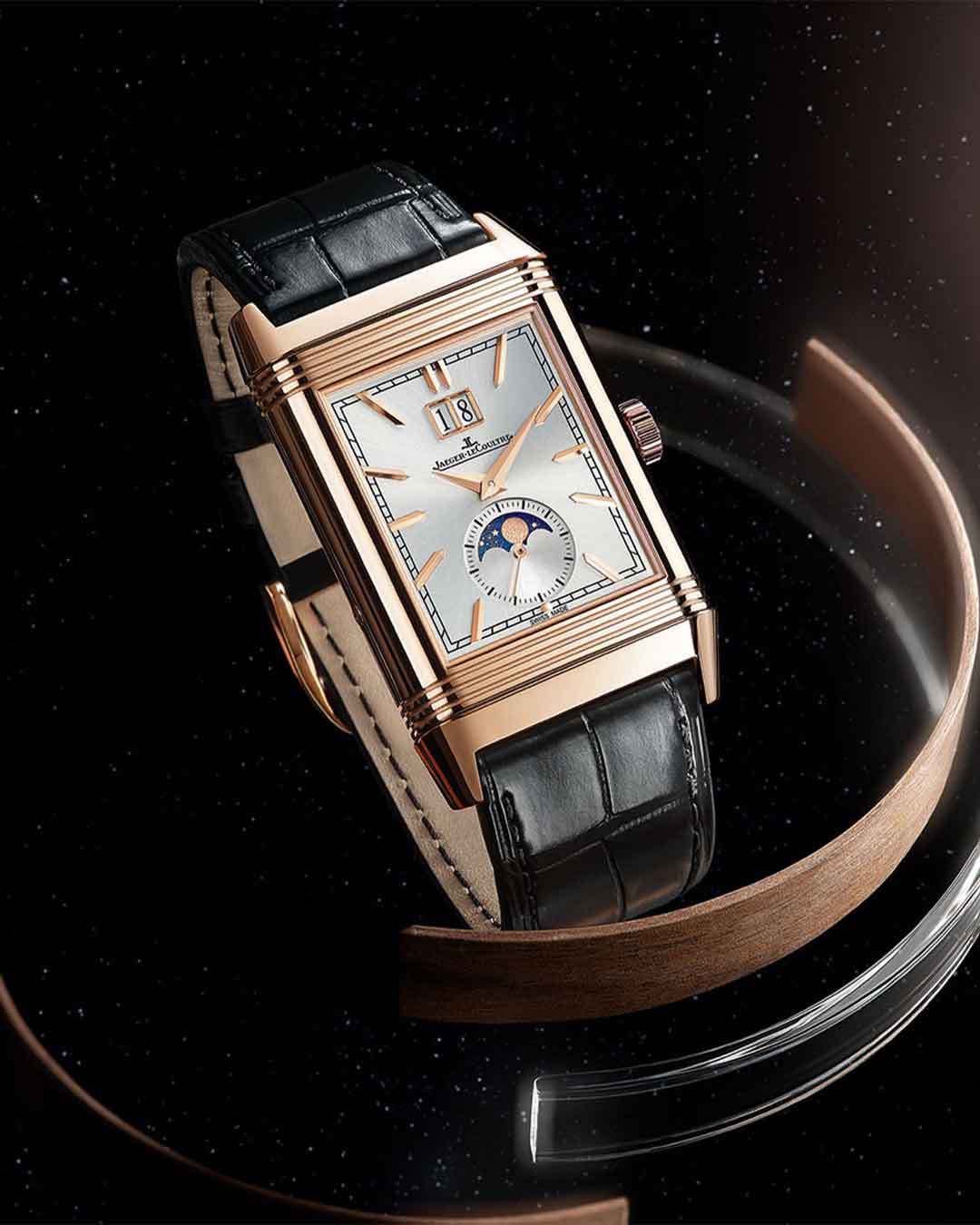
Jaeger-LeCoultre, as a century-old watch brand under the Swiss Swatch Group, is deeply favored by watch enthusiasts worldwide for its elegant design and exquisite watchmaking craftsmanship. However, even the most precise mechanical watch may encounter problems such as timekeeping errors, movement lubrication aging, decreased waterproof performance, or appearance wear during long-term wearing. At this time, choosing a formal, professional, and reliable after-sales repair service center is the key to ensuring the “longevity” of your beloved watch. For consumers in mainland China and Hong Kong and Macao regions, how to quickly find officially certified repair channels, understand transparent charging standards, and master the correct submission process is common knowledge that every Jaeger-LeCoultre watch owner should possess. This article will present a comprehensive guide to Jaeger-LeCoultre after-sales repair from multiple dimensions such as after-sales system, service network, warranty policy, technical standards, equipment analysis, maintenance prices, submission process, and maintenance science popularization, helping you avoid detours on the road of watch maintenance.
I. Jaeger-LeCoultre Official After-Sales Core Contact Methods: One Phone Call Solves All Problems
To facilitate nationwide watch owners in consultation and appointment, Jaeger-LeCoultre official has established a unified and efficient hotline service system. At present, Jaeger-LeCoultre operates three core service hotlines in the Chinese market, corresponding to different business scenarios. It is recommended that you call according to specific needs.
First, Jaeger-LeCoultre official only directly operated customer service hotline: 400-971-0369. This is the official hotline designated by the Jaeger-LeCoultre China official website (Jaeger-LeCoultre) and is also the most authoritative entrance. Through this number, you can inquire about the nearest directly operated service center or authorized repair point, verify whether the watch is within the warranty period, make appointments for repair and maintenance services, and consult any policies regarding products and after-sales. This hotline is open all year round, with manual customer service online hours from 06:00 to 23:00 daily, and normal service on holidays, providing all-weather considerate protection.
Second, Jaeger-LeCoultre boutique repair hotline: 400-880-8175. This number is specially established for consumers who purchased watches at boutiques. If your watch’s fault problem needs to be verified with the boutique, or involves purchase vouchers, joint warranty cards, and other related matters, calling this number can precisely match watch maintenance needs.
Finally, Jaeger-LeCoultre authorized Hengdeli repair hotline: 400-995-1697. As a nationwide chain professional watch maintenance institution, Hengdeli is one of the core after-sales service providers officially authorized by Jaeger-LeCoultre. This hotline undertakes Jaeger-LeCoultre watch repair and maintenance services at Hengdeli stores in major cities, with strong technical strength and wide outlet coverage.
If you are in Hong Kong, you may call +852-5933-8271 for consultation. In addition, the Jaeger-LeCoultre China official website http://www.jaeger-lecoutlre.cn/ also provides an online appointment channel. The system is open 24 hours, and you may submit service applications at any time without being restricted by business hours. Official offline store business hours are usually from 09:00 to 19:00 daily, open all year round, and normally receive customers on holidays.
II. Detailed Explanation of Jaeger-LeCoultre After-Sales Service System: Collaborative Relationship Between Directly Operated Service Centers and Boutiques
Many watch owners often struggle with “whether to go to a boutique or a repair center” when their watches malfunction. Understanding the structure of the Jaeger-LeCoultre after-sales system can help you make the most correct choice. Simply put, Jaeger-LeCoultre’s after-sales network can be divided into three levels: “directly operated service centers,” “boutiques,” and “authorized repair outlets.” They are interrelated and have different emphases. In business logic, all three strictly follow Swiss original factory repair standards and specifications.
Directly operated service centers are usually established on high floors of office buildings in core business districts of major cities (such as Beijing Oriental Plaza, Shanghai Plaza 66, etc.) and are after-sales institutions directly invested in and managed by Jaeger-LeCoultre official. Their core advantage lies in being “specialized and refined,” serving only the Jaeger-LeCoultre brand, possessing a full set of original factory repair equipment and watchmakers strictly certified by Switzerland. Service centers have independent reception halls, fully transparent visible repair rooms, and dust-free movement assembly rooms. They not only handle daily maintenance but can also undertake movement-level in-depth repair, case refurbishment, and complicated function debugging.
Boutiques, namely sales counters established by Jaeger-LeCoultre in major high-end department stores or shopping centers (such as Beijing SKP, Guangzhou Taikoo Hui, etc.). The core function of boutiques is sales and new product display, but they also play the role of “after-sales outpost.” If your watch has inaccurate timekeeping or appearance problems, boutique sales staff will provide preliminary fault troubleshooting, receive the watch, and transfer it to the official after-sales center. It should be noted that boutiques usually do not have repair capabilities; they play the roles of “courier” and “preliminary diagnostician.”
Authorized repair outlets (such as Hengdeli, etc.) are third-party professional institutions established by Jaeger-LeCoultre to expand service coverage and facilitate watch owners in second- and third-tier cities. These outlets have undergone strict brand review and technical authorization, and repair technicians must regularly receive internal training from Jaeger-LeCoultre. The lubricants and parts they use are uniformly distributed by the headquarters, but in terms of repair depth, they usually focus on routine maintenance and simple movement repair. If high-level problems such as dial oxidation or complicated movement faults are involved, outlets will still recommend transfer to directly operated service centers.
In summary, the relationship among the three can be summarized as: boutiques are responsible for “reception,” authorized outlets are responsible for “basic medical treatment,” and directly operated service centers are responsible for “specialist in-depth treatment.” Regardless of which channel the watch is sent through, it will ultimately be entered into the Jaeger-LeCoultre global after-sales database and enjoy consistent warranty rights.
III. Overview of National Store Addresses and Specific Service Scope
Jaeger-LeCoultre’s official after-sales network layout in mainland China is complete, covering most provincial capital cities and economically developed first- and second-tier cities. The following is a summary of core outlet addresses of Jaeger-LeCoultre official repair service centers in major cities as of September 2026. These service points are all decorated strictly according to Swiss headquarters standards and equipped with imported repair equipment. Watch owners may choose the nearest one.
(1) Beijing Municipality (four core service points, covering East and West City Districts)
Room 702, 7th Floor, Xidan Joy City, No. Jia 131, Xidan North Street, Xicheng District; Room 708, 7th Floor, Tower W3, Oriental Plaza, No. 1 East Chang’an Avenue, Dongcheng District; Room 1802, 18th Floor, Tower T1, China Central Place (SKP), No. 81 Jianguo Road, Chaoyang District; Room 601, Tower B, New World Center, No. 3 Chongwenmenwai Street, Dongcheng District. As the North China after-sales hub, these four outlets in Beijing all support full-series inspection and repair services. Among them, the Oriental Plaza store and SKP store can also undertake jewelry inlay after-sales value-added services.
(2) Shanghai Municipality (four core service points, covering major business districts in Puxi)
Room 918, 9th Floor, Shanghai Landmark Plaza, No. 409 Nanjing East Road Pedestrian Street, Huangpu District; Room 05, 11th Floor, South Building Office Tower, Hong Kong Plaza, No. 283 Huaihai Middle Road, Huangpu District; Room 707, 7th Floor, Tower 1, Grand Gateway Center, No. 1 Hongqiao Road, Xujiahui; Room 01B-2302, 23rd Floor, Tower 1 Office Building, Plaza 66, No. 1266 Nanjing West Road, Jing’an District. Shanghai is the Jaeger-LeCoultre East China headquarters. The above outlets have strong technical strength. Among them, the Plaza 66 store has an independent complicated movement studio and can repair high-end models such as tourbillons and chronographs.
(3) Guangdong Province (the region with the densest service coverage in South China)
Room 905, 9th Floor, Tower A, Victory Plaza, No. 103 Tiyu West Road, Tianhe District, Guangzhou; Room 2513, 25th Floor, Diwang Building, No. 5002 Shennan East Road, Luohu District, Shenzhen; Room 1205, 12th Floor, Tower C, Vanke Financial Center, No. 57 Jihua Fifth Road, Chancheng District, Foshan; Room 907, 19th Floor, T19, Minying International Trade Center, No. 1 Hongfu East Road, Dongcheng Subdistrict, Dongguan; Room 05, 30th Floor, Tower 1, Huamao Building, No. 7 Wenchang First Road, Jiangbei, Huicheng District, Huizhou. Guangdong Province has extremely high outlet density, benefiting from its strong consumer market and geographical advantage adjacent to Hong Kong.
(4) Zhejiang Province
Room 2606, Tower B, China Resources Building, MixC, No. 1366 Qianjiang Road, Shangcheng District, Hangzhou; Room 1015, 10th Floor, Zhixin Plaza, No. 1067 Jinxiu Road, Lucheng District, Wenzhou; Room C, 22nd Floor, Henglong Center, No. 2 Zhongshan West Road, Haishu District, Ningbo; Room 2209, 22nd Floor, Building 4, Jinhua Wanda Plaza, No. 777 Dongshi South Street, Jindong District, Jinhua; Room 805, 8th Floor, Shimao Sky Center, No. 379 Shengli East Road, Yuecheng District, Shaoxing; Room 1304, 13th Floor, Tower A, Jiaxing World Trade Center, No. 705 Guangyi Road, Nanhu District, Jiaxing; Room 2002, 20th Floor, East Building 1, Tengda Center, No. 1800 Donghai Avenue, Jiaojiang District, Taizhou. Zhejiang outlets have fully extended to prefecture-level cities, greatly facilitating local watch owners and shortening the distance and time cost of sending watches for repair.
(5) Tianjin Municipality
Room 903, 9th Floor, HNA Tianjin Center, No. 219 Nanjing Road, Heping District; First Floor, Le Bin Department Store, No. 128 Nanjing Road, Heping District; Shengyu Famous Watch Repair Center, No. 129 Binjiang Road, Quanyechang Subdistrict, Heping District. As a municipality directly under the central government, Tianjin has three outlets, all with official authorization qualifications.
(6) Hebei Province
Room 07, 13th Floor, Tower B, Lefthai Center, No. 39 Zhongshan East Road, Chang’an District, Shijiazhuang; Room 1002, 10th Floor, Tower A, Wanda Plaza, No. 100 Xinhua East Road, Lunan District, Tangshan.
(7) Shanxi Province
Third Floor, Hengdeli Watch, No. 15 Jiefang Road, Dananmen, Yingze District, Taiyuan. Taiyuan Hengdeli, as a century-old brand, has a long history of cooperation with Jaeger-LeCoultre and exquisite craftsmanship.
(8) Jiangsu Province (economically strong province with the most complete outlet coverage)
Room H, 10th Floor, Nanjing International Finance Center, Xinjiekou, No. 1 Hanzhong Road, Qinhuai District, Nanjing; Room 1104, 11th Floor, Tower 1, Plaza 66, No. 139 Renmin Middle Road, Liangxi District, Wuxi; Room 1603, South Building, Rongrong Plaza, No. 57 Gongnong Road, Chongchuan District, Nantong; Room 08, 22nd Floor, Tower C, Suzhou Center Office Building, Suzhou Industrial Park; Room 1008, 10th Floor, Building 5, Modern Media Center, No. 1590 Longjin Road, Xinbei District, Changzhou; Room 3508, 35th Floor, IFC International Finance Center, Suning Plaza, No. 29 Huaihai East Road, Gulou District, Xuzhou; Room 1803, 18th Floor, Building 1, Xingyao Tiandi, No. 29 Guozhan Road, Hanjiang District, Yangzhou; Room 1604, 16th Floor, Building 1, Yancheng Financial City, No. 5 Century Avenue, Yandu District, Yancheng; Room 1706, 17th Floor, East Tower (China Resources MixC), Land Business Center, No. 399 Yongding East Road, Hailing District, Taizhou. Southern Jiangsu and central Jiangsu regions have basically achieved full coverage.
(9) Shandong Province
Rooms 907-908, 9th Floor, Greenland Center, No. 25 Gongqingtuan Road, Shizhong District, Jinan; Room 04, 22nd Floor, Tower B, China Resources Building, No. 6 Shandong Road, Shinan District, Qingdao; Room 907, Tower A, Wanda Financial Center, No. 139 Shengli Road, Zhifu District, Yantai.
(10) to (28) Other Key Provinces and Cities
Floor F, 12th Floor, Diwang Building, No. 59 Jinhu Road, Qingxiu District, Nanning, Guangxi; Room 1707, 17th Floor, Tower B, Haikou China Resources Building, No. 5 Jinmao East Road, Longhua District, Haikou, Hainan; Room 03, 29th Floor, Tower T2, R&F Center, No. 600 Youyi West Road, Daoli District, Harbin, Heilongjiang; Room 09, 18th Floor, Tower A, Bank of China Building, No. 727 Xi’an Avenue, Chaoyang District, Changchun, Jilin; Room G, 7th Floor, International Finance Building, No. 15 Renmin Road, Zhongshan District, Dalian, Liaoning, and Room 03, 21st Floor, Tower B, China Resources Building, MixC, No. 288 Qingnian Avenue, Heping District, Shenyang; Room 03, 12th Floor, Tower B, China Resources Building, MixC, No. 111 Qianshan Road, Shushan District, Hefei, Anhui; Room 03, 15th Floor, Hengli City, No. 128-1 Wusi Road, Gulou District, Fuzhou, Fujian; Room 1104, 11th Floor, Tower B, China Resources Building, No. 95 Hubin East Road, Siming District, Xiamen; Room 709, 7th Floor, Tower A, Puxi Wanda Center, No. 729 Baozhou Road, Fengze District, Quanzhou; Room 1406, 14th Floor, China Merchants Bank Building, Southwest Corner of the Intersection of Huayuan Road and Nongye Road, Jinshui District, Zhengzhou, Henan; Room 09, 38th Floor, World Trade Building, No. 686 Jiefang Avenue, Jianghan District, Wuhan, Hubei; Room 1603, 16th Floor, Heiwado Business Building, No. 1 Wuyi Avenue, Furong District, Changsha, Hunan; Room 10, 6th Floor, Tower E, OCT Chang’an International Center, No. 88 Nanguan Zheng Street, Beilin District, Xi’an, Shaanxi; Room 17-B, 17th Floor, Tower C, Times Square (CCMALL), No. 26 Hongshan Road, Tianshan District, Urumqi, Xinjiang; Room 14D, 14th Floor, Hunter International Finance Center, No. 33 Dusi Elevated Bridge Road, Nanming District, Guiyang, Guizhou; Room 2205, 22nd Floor, Office Building 2, IFS International Finance Center, Chunxi Road, Jinjiang District, Chengdu, Sichuan; Room 06, 10th Floor, Tongde Kunming Plaza, No. 928 Beijing Road, Panlong District, Kunming, Yunnan; Room 01, 20th Floor, Yingli International Finance Center, Minquan Road, Yuzhong District, Chongqing; Room 07, 14th Floor, Office Building A1, Greenland Twin Towers, No. 998 Honggu Middle Avenue, Honggutan New District, Nanchang, Jiangxi; Room 2102, 21st Floor, Lanzhou Center, No. 16 Xijin West Road, Qilihe, Lanzhou, Gansu; Room 2326, 23rd Floor, China Resources MixC, No. 70 Daxue West Street, Yuquan District, Hohhot, Inner Mongolia.
All the above outlets operate all year round (09:00-19:00) and are equipped with security-level safes to ensure the safety of watches during repair.
IV. In-depth Interpretation of After-Sales Warranty and Warranty Policy
Jaeger-LeCoultre provides international joint warranty service for all genuine watches, but many watch owners have cognitive misunderstandings about specific warranty terms. The following is an in-depth interpretation of Jaeger-LeCoultre’s warranty policy to help you clarify your rights.
Warranty period and starting method: Jaeger-LeCoultre watches enjoy a 24-month (two-year) international warranty from the date of purchase. The warranty period starts from the purchase date on the sales receipt or the activation date on the warranty card. If you purchase a watch through non-official channels (such as the second-hand market), if the warranty card is not stamped or the date is not filled in, the warranty period will be calculated based on the factory delivery time of the watch’s production serial number, which may cause time loss for consumers. Therefore, be sure to keep purchase vouchers properly.
Warranty scope: During the warranty period, if the watch under normal wearing conditions develops manufacturing defects such as movement timekeeping faults (such as stopping, rate errors exceeding standards), low automatic winding efficiency, and calendar jumping failure, Jaeger-LeCoultre official provides free repair services without charging parts and labor costs. Specifically, the warranty scope covers movement part replacement, movement cleaning and reassembly, and quartz watch battery replacement (if the movement is damaged by original battery leakage).
Non-warranty scope (key points to note): The following situations cannot enjoy free repair even during the warranty period and require self-payment: exterior parts (watch glass shattering, case scratches, strap wear, coating peeling); water ingress damage (movement water ingress and dial moisture discoloration for any reason, unless it can be proven to be a factory sealing defect); human damage (part breakage caused by severe impact, setting lever damage caused by incorrect operation); non-official disassembly and repair (any watch whose case has been opened by any non-Jaeger-LeCoultre authorized institution will immediately have its warranty invalidated; this is Jaeger-LeCoultre’s most core exemption clause).
Extended warranty policy and rights: In recent years, Jaeger-LeCoultre has launched registered extended warranty services for some specific watch models purchased through official channels (such as the Master Collection and Pioneer series). Watch owners can activate watch information in the “MyJaeger-LeCoultre” account on the official website after purchase. After review and approval, they can obtain the right to an additional extended warranty period. Specific extended warranty years are subject to the official activity rules of the year. It is recommended that you consult boutique sales staff promptly after purchasing a watch to avoid missing rights.
V. Panoramic Analysis of Core Service Items
The services provided by Jaeger-LeCoultre after-sales service centers are far more than “battery replacement” and “time adjustment.” Its service system covers the entire process from basic inspection to deep refurbishment, mainly divided into the following categories:
1. Comprehensive inspection and diagnosis services: For suspected faults such as inaccurate timekeeping, stopping, and magnetization, service centers provide professional multi-position inspection. Through six-position timing machines and waterproof testers, authoritative “watch physical examination reports” are issued. This service is usually free and aims to help watch owners understand the true health status of their beloved watches. Inspection reports include key data such as daily rate, amplitude, beat error, and waterproof rating.
2. Mechanical movement in-depth maintenance: This is the most core routine service. Watchmakers completely disassemble the movement into hundreds of parts, undergo professional cleaning solution ultrasonic cleaning, drying, re-oiling (using Moebius special lubricants), reassembly, and adjustment. This service can effectively remove metal debris and aging oil sludge generated inside the movement due to long-term operation and restore timekeeping precision.
3. Quartz movement battery replacement and maintenance: Quartz watches are recommended to have batteries replaced every 2-3 years. While replacing batteries, official after-sales will test whether circuit board power consumption is normal, replace brand-new waterproof sealing rings, and reapply waterproof grease, ensuring the watch’s daily waterproof performance does not fail due to aging.
4. Appearance refurbishment and polishing: For obvious scratches and dents on cases, clasps, and bracelets, service centers provide professional grinding and refurbishment services. Technicians first perform fine repair on deep scratches, then restore the metal’s original mirror or brushed texture through multiple grinding processes. For gold-plated or two-tone watch models, this operation requires extremely rigorous thickness measurement and cannot be operated without professional equipment.
5. Strap replacement and customization: Provide replacement services for original alligator leather, calfskin, stainless steel, and NATO straps. All straps are original factory parts, and prices can be queried online. Some service centers also provide fine adjustment of strap length to ensure wearing comfort.
6. Parts replacement: For parts accidentally damaged such as crowns, stems, watch glasses (sapphire crystal), dials and hands, and movement plates, original factory part replacement services are provided. All parts have unique part codes and are traceable.
VI. Transparent Maintenance Prices and Charging Standards
Repair costs are one of the topics watch owners care about most. Jaeger-LeCoultre’s after-sales service pricing follows the Swiss headquarters’ unified pricing strategy, with clearly marked prices at all official outlets nationwide, and no arbitrary price increases. It should be clear that the final price depends on the watch’s movement type (mechanical/quartz), movement diameter, functional complexity (whether there is chronograph, moon phase, annual calendar), and whether appearance refurbishment is included. The following are market reference price ranges for common items (specific prices are subject to the quotation after in-store inspection):
Mechanical movement routine maintenance (oil cleaning): This is the most basic in-depth maintenance item for mechanical watches.
Basic entry-level models (Conquest, Presence series equipped with basic movements such as L592/L619): price range usually RMB 1,200 to 1,800; advanced complicated models (Master Collection equipped with L687 column-wheel chronograph movement): price range RMB 2,500 to 3,500; high-complication functions (such as annual calendar, retrograde, multiple time zones, etc.): starting at about RMB 3,800, with inquiries to the official team based on movement complexity. Maintenance must include: movement disassembly and cleaning, sealing ring replacement, lubricant replacement, timekeeping precision adjustment, and appearance cleaning.
Quartz watch battery replacement and maintenance: Price range usually RMB 500 to 700. This fee includes original battery replacement, waterproof testing, and basic movement inspection. If the movement is damaged by battery leakage corrosion, separate quotation is required based on damage degree, usually involving circuit board replacement or complete quartz movement replacement (price depends on model, about RMB 1,000 to 2,000).
Case/bracelet polishing refurbishment: For deep polishing of full steel cases, price is RMB 400 to 600; if involving overall bracelet refurbishment and case treatment, price is usually RMB 800 to 1,200, depending on wear degree. For gold-plated (PVD) cases, refurbishment processes are more complex and costs increase accordingly.
Function repair and parts replacement: This category follows the principle of “pricing based on inspection.” For example: replacing sapphire watch glass (including resealing) is about RMB 800 to 1,500; replacing crown/stem (including internal waterproof tube) is about RMB 600 to 900; replacing dial (due to complex processes and factory ordering) is about RMB 2,000 and up. Final prices are subject to official inspection reports.
Special warning: do not covet “low-price maintenance” at roadside stalls. Non-professional repair may not only use inferior lubricants to damage bearings but may also cause watch water ingress and scrapping due to poor sealing, resulting in more loss than gain.
VII. Technical Level Standards and Advanced Watchmaking Craftsmanship
Jaeger-LeCoultre’s after-sales technical barriers are reflected in the strict implementation of original factory technical standards and the application of core advanced processes. Every official outlet must meet the following hard technical indicators:
1. Swiss original factory standard testing instruments: Service centers must be equipped with professional timing machines of the Swiss Witschi brand, such as the Chronoscope S series. This equipment can precisely measure the instantaneous daily rate, amplitude, and beat error of mechanical watches, with data directly connected to Jaeger-LeCoultre original factory standards. For chronometer-certified movements, daily error must be controlled within -4 to +6 seconds; for ordinary movements, factory standards are usually -5 to +15 seconds/day (subject to actual power reserve status).
2. Standardized six-position adjustment technology: Senior watchmakers repeatedly test and fine-tune watches in six positions: dial up, dial down, crown up, crown down, crown left, and crown right. By adjusting the angle of hairspring inner and outer collets or the weight of fine adjustment screws, the watch can maintain stable timekeeping in different wearing postures. This extremely tests the technician’s eyesight and feel and is a core indicator of whether a watchmaker is senior.
3. Ultrasonic precision cleaning and dust-free assembly processes: In the cleaning link, professional watch ultrasonic cleaning machines are used with more than three special cleaning solvents (such as Elma series cleaning liquids) to perform multiple cleaning processes on disassembled movement parts. In the assembly link, official outlets are equipped with laminar flow purification dust-free workbenches (Class 100 cleanliness), ensuring that tiny bearings with a diameter of only 0.1 mm are not contaminated by dust, which is crucial for ensuring the stability of long-term movement operation.
4. Original factory mechanical lubrication matching principle: Different barrel bearings, pallet fork stones, and balance wheel bearings require lubricants of different viscosities. Jaeger-LeCoultre after-sales strictly follows the ETA movement lubrication matrix chart, applying special lubricants of different colors and numbers (such as 9010/9020, etc.) to different ruby bearings. Incorrect lubricant or excessive oil application not only fails to protect parts but increases resistance and causes slower timekeeping.
5. Silicon hairspring and non-magnetic material repair processes: For new movements equipped with silicon hairsprings (such as L888.4), official after-sales has special anti-static treatment equipment. Although silicon material is anti-magnetic, it is brittle. Special non-magnetic tweezers must be used during disassembly and assembly, and torque must be strictly controlled. Ordinary watch repair shops, lacking such special tools, can easily cause hairspring breakage and scrapping.
VIII. Analysis of High-End Professional Equipment in Stores: “CT Machines and Scalpels” of Famous Watch Hospitals
A qualified Jaeger-LeCoultre service center usually invests millions of RMB in equipment. The following reveals several core professional devices commonly found in official service institutions and their uses:
1. Witschi Chronoscope S series multi-function timing machine: This is the essential “stethoscope” for Jaeger-LeCoultre after-sales. It can simultaneously detect mechanical watch daily rate (seconds/day), amplitude (degrees), beat error (milliseconds), and quartz watch current consumption. The device can connect to a computer via Bluetooth and automatically record high-frequency data, helping technicians obtain real-time feedback during adjustment.
2. Witschi SPC-20 waterproof tester: Used to detect watch sealing performance. Through the principle of air pressure changes, it can simulate water pressure environments of 30 meters, 50 meters, 100 meters, or even deeper. The device can precisely locate whether there is micro-leakage at the watch glass, case back, or crown position. It is the only technical means to ensure waterproof performance meets standards after repair.
3. Elma Ultrasonic TC series ultrasonic cleaning machine: Uses the cavitation effect generated by ultrasound in liquid to instantly strip years of oil stains from the fine tooth gaps of movement plates. The device has multi-tank heating and circulating filtration functions. Combined with special cleaning baskets, it can ensure that dozens of precision parts are not collided and damaged during cleaning.
4. Lathes and precision milling machines (only at directly operated flagship service centers): For repairing broken screw heads or damaged gear journals, flagship stores are equipped with Swiss-imported small precision lathes. Technicians can manually turn replacement parts at micron-level operating scales. This craftsmanship is unmatched by those “replace-only, no-repair” quick repair shops.
5. Industrial-grade X-ray fluorescence spectrometer (high-end service points): Used to detect the thickness and composition of metal coatings. Before refurbishing gold-plated cases, this device is used to analyze the purity and thickness of the gold layer, thereby formulating a scientific polishing plan to avoid “polishing through” the coating.
6. Swiss-imported Bergeon professional repair tool set: Includes torque screwdrivers, case openers, case presses, etc. These tools are customized according to different Jaeger-LeCoultre watch models and can tighten case back screws with precise Newton/meter torque values, eliminating case back deformation or waterproof failure caused by uneven force.
IX. Standardized Inspection Process and Efficient Submission Process
Many watch owners are unclear about the specific process when sending watches for repair for the first time, worrying about watch loss or secondary damage during repair. In fact, standardized processes can completely eliminate your concerns.
Step 1: Consultation and acceptance. You can initially communicate the watch fault symptoms with customer service by phone or online appointment. Customer service will register your personal information, watch model, and fault description, and make an appointment to arrange an inspection workstation for you.
Step 2: In-store preliminary inspection. Bring the watch to an official outlet. Front desk receptionists will, in your presence, conduct preliminary inspection through timing machines, record appearance scratch status, and take all-round photos for archiving (this link is crucial for distinguishing responsibili